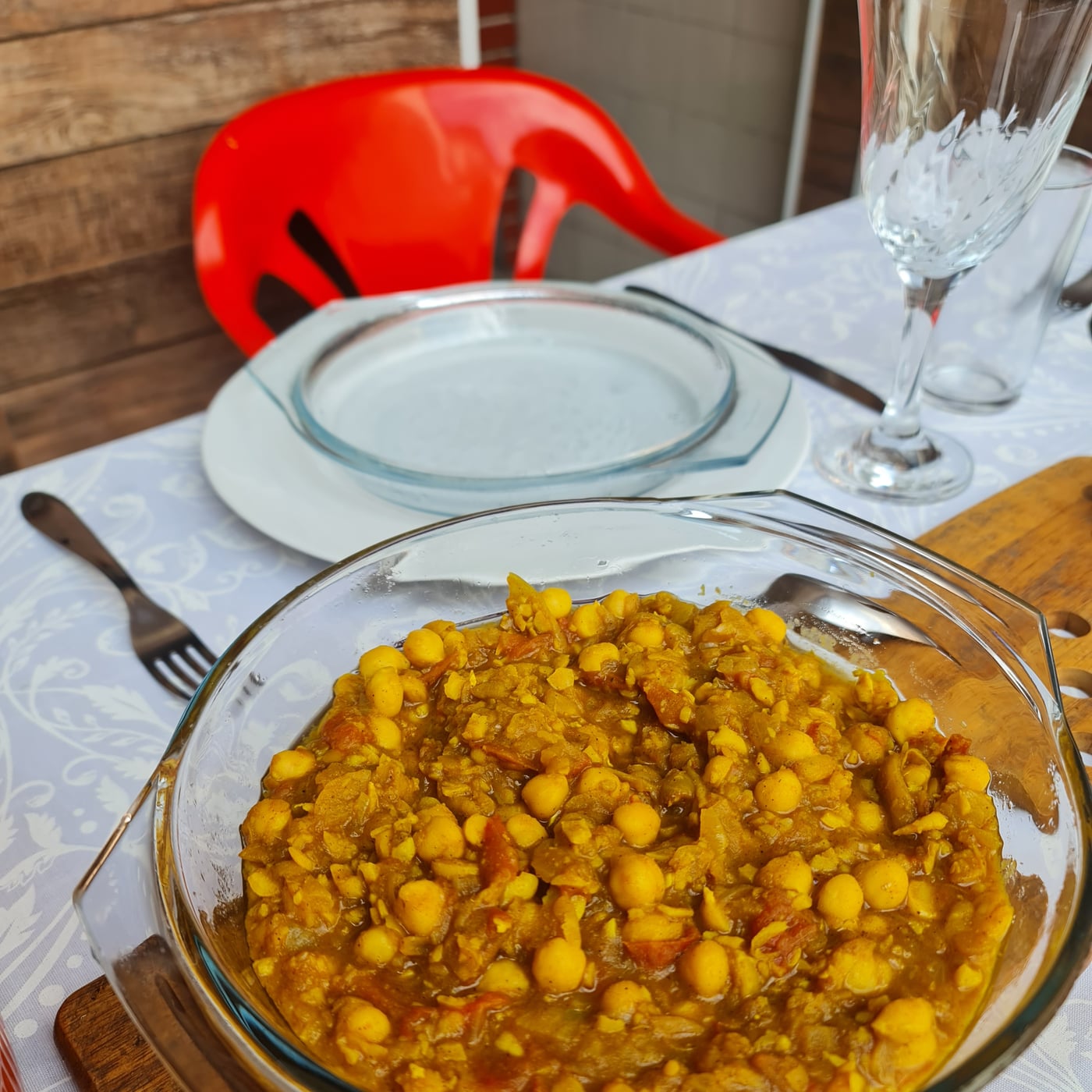
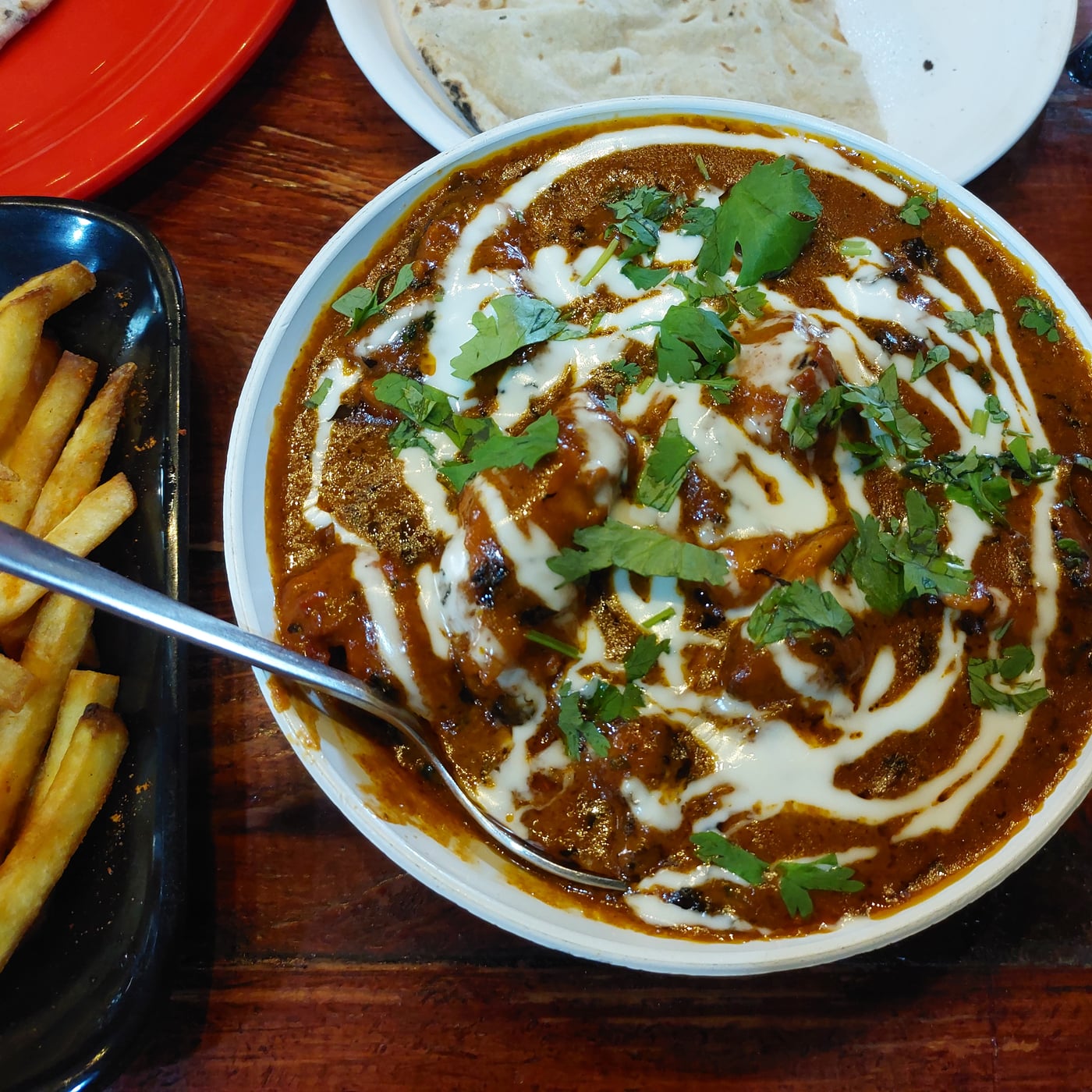
Kashmiri chili powder (Kashmiri lal mirch) is ground from long, wrinkled, mild red chilies. It scores roughly 1,000 to 2,000 on the Scoville scale, far below cayenne or standard Indian chili powder, so you can add a tablespoon for color where a teaspoon of hot chili would already be too much. The flavor is fruity and slightly smoky, close to sweet paprika. It is the reason rogan josh, tandoori chicken, butter chicken, chana masala and Goan vindaloo look red rather than brown.
How to buy
Indian grocers and online stores carry Deggi Mirch (MDH), Everest Kashmirilal and Rajah brands; supermarkets in the US and UK increasingly stock it in the world foods aisle. The powder should be bright brick-red, not orange or brown, and the label should say Kashmiri chili only, with no added color, salt or paprika. Much of what is sold as Kashmiri is a blend of milder chilies grown elsewhere in India, which is fine for cooking, but avoid anything listing artificial dyes. Whole dried Kashmiri chilies are also sold and can be soaked and blended into pastes.
How to store
Store in a sealed jar away from light and heat; color is the first thing to fade, and a sun-exposed jar turns dull orange within months. It keeps its red for 6 to 12 months at room temperature and up to two years in the freezer in a sealed bag. Whole chilies last longer than powder. Discard if it smells musty or shows any clumping from moisture.
Substitutes
- Sweet paprika with a pinch of cayenne, 1:1. Almost identical color and heat; slightly less fruity.
- Byadgi chili powder, 1:1. The closest Indian alternative, deep red and mild, sometimes labeled Kashmiri anyway.
- Regular Indian or cayenne chili powder at 1/4 the amount plus 3/4 sweet paprika for the color. You lose a little brightness but keep the heat level right.
- Ancho or guajillo powder, 1:1. Mild and red, with a raisiny Mexican note that works well in vindaloo and rich lamb curries.
How to use
Add it with the other ground spices after the onions have softened and cook for 30 seconds in oil before adding liquid; the fat pulls out the color. For a curry serving four, 1 to 2 tsp gives a bright red base, and marinades for tandoori or tikka use about 1 tbsp per pound of meat. Do not fry it over high heat or it scorches and turns bitter. If a recipe wants real heat, use Kashmiri for color and add a hot chili separately rather than tripling the Kashmiri.
By Mia Ko · Updated