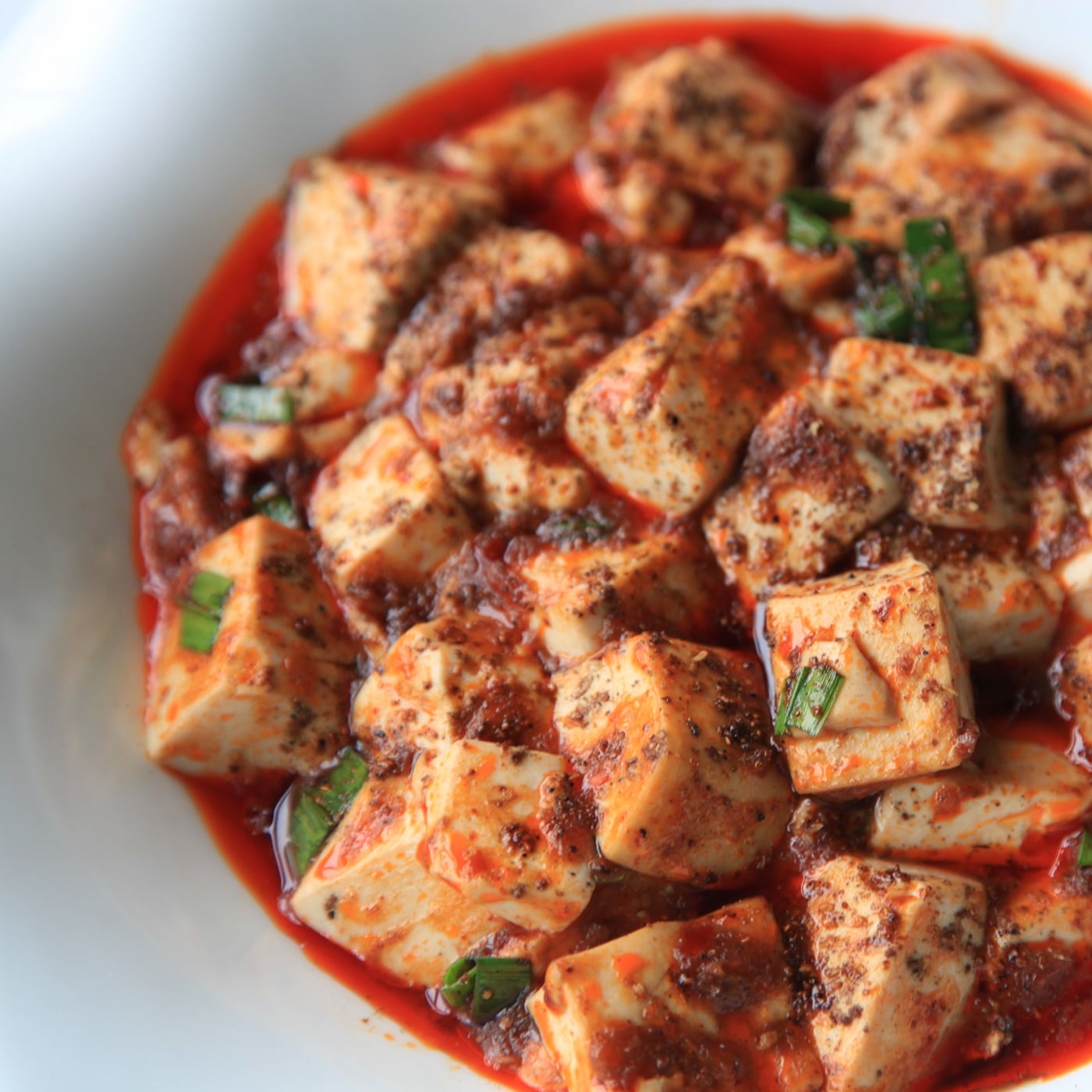
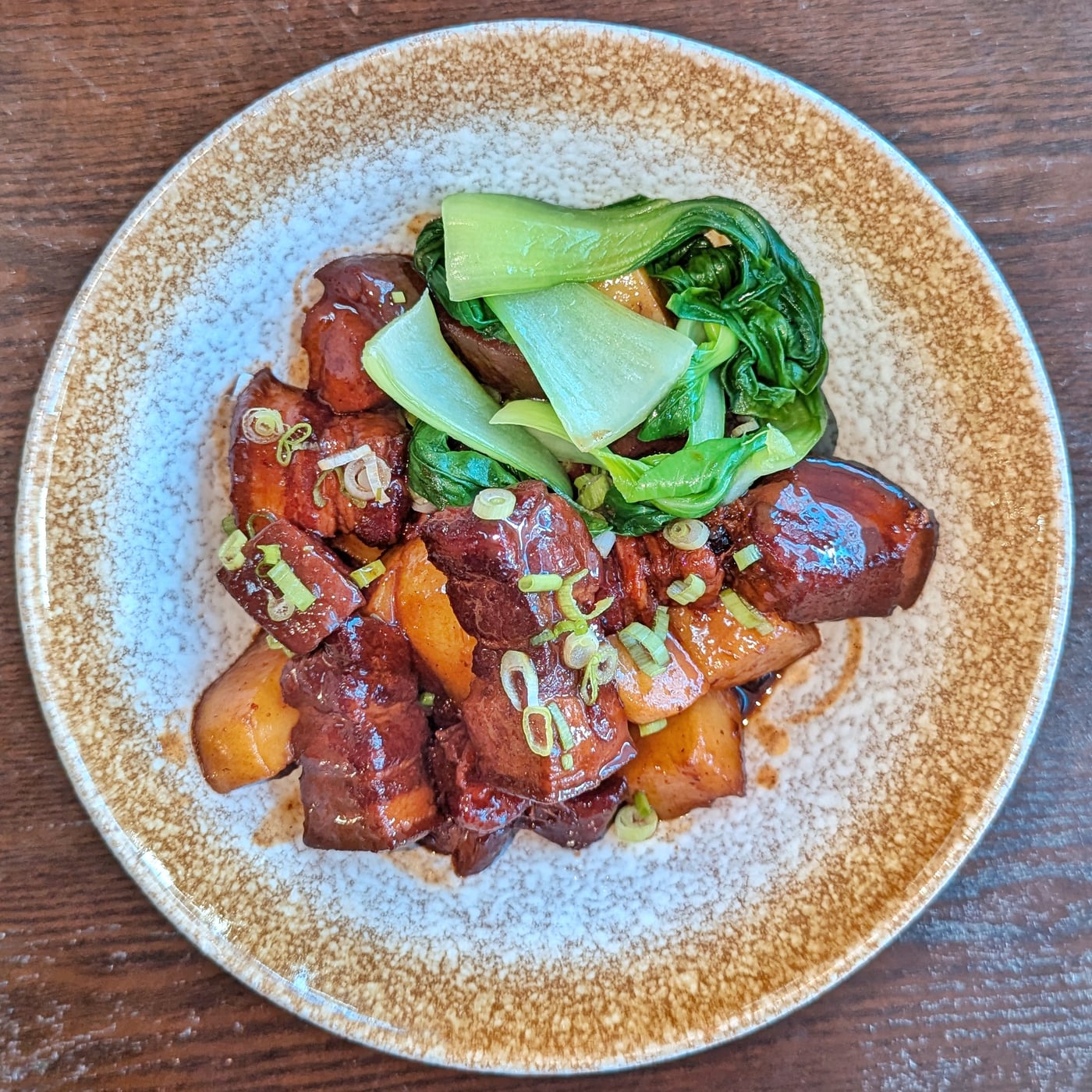
Shaoxing wine (shaoxing jiu, 绍兴酒) is an amber rice wine from Zhejiang province, aged in clay jars until it tastes nutty, slightly sweet and a lot like dry sherry. It belongs to the wider family of huangjiu (yellow wine), and the generic supermarket bottle labeled cooking wine (liaojiu) is usually a cheaper huangjiu with salt added. A splash goes into almost every Chinese marinade, red-braised pork, drunken chicken, dumpling filling, kung pao chicken and wok stir-fries, where it takes away raw meat smell and adds a savory background note.
How to buy
Two grades exist. Cooking grade (Pagoda brand with the red label, Shaohsing Rice Cooking Wine) has 1.5% salt so it can be sold without a liquor license; it is what most Asian grocers, H Mart and Amazon carry, and it is fine for stir-fries and braises. Drinking grade (Pagoda Huadiao, Kuaijishan, Guyuelongshan) is sold at liquor stores or Chinese supermarkets, costs a bit more and has no salt, so use it for drunken chicken and cold dishes where the wine is barely cooked. Avoid bottles that list caramel color and sugar high in the ingredients.
How to store
Shaoxing wine is about 15% alcohol and does not spoil easily. Keep the bottle capped in a cool, dark cupboard for a year or more; the fridge is fine but not required. The flavor slowly flattens after opening, so an old bottle still works for braising but not for dishes where you taste the wine directly. Throw it out if it turns cloudy or smells sharply of vinegar.
Substitutes
- Dry sherry, 1:1 – the closest match in aroma and body; slightly less sweet, so no adjustment is needed.
- Japanese sake, 1:1 – cleaner and lighter; add a pinch of sugar for braises to mimic the caramel depth.
- Mirin, 3/4 of the amount – brings the sweetness but is much sweeter, so cut the sugar in the recipe.
- Chicken stock with 1 tsp rice vinegar per tablespoon – alcohol-free option; you lose the aroma but keep some brightness.
How to use
For marinades use 1 tablespoon per 300 g (10 oz) of meat along with soy sauce and cornstarch; it tenderizes and deodorizes while the meat sits. In a stir-fry, pour it around the hot edge of the wok right after the aromatics so it sizzles and the alcohol burns off, not directly onto the meat where it steams. In braises, 3–4 tablespoons per pound of pork or a whole chicken is typical; add it before the water so it reduces. If your bottle is the salted cooking grade, taste before adding the last of the salt or soy sauce.
By Mia Ko · Updated